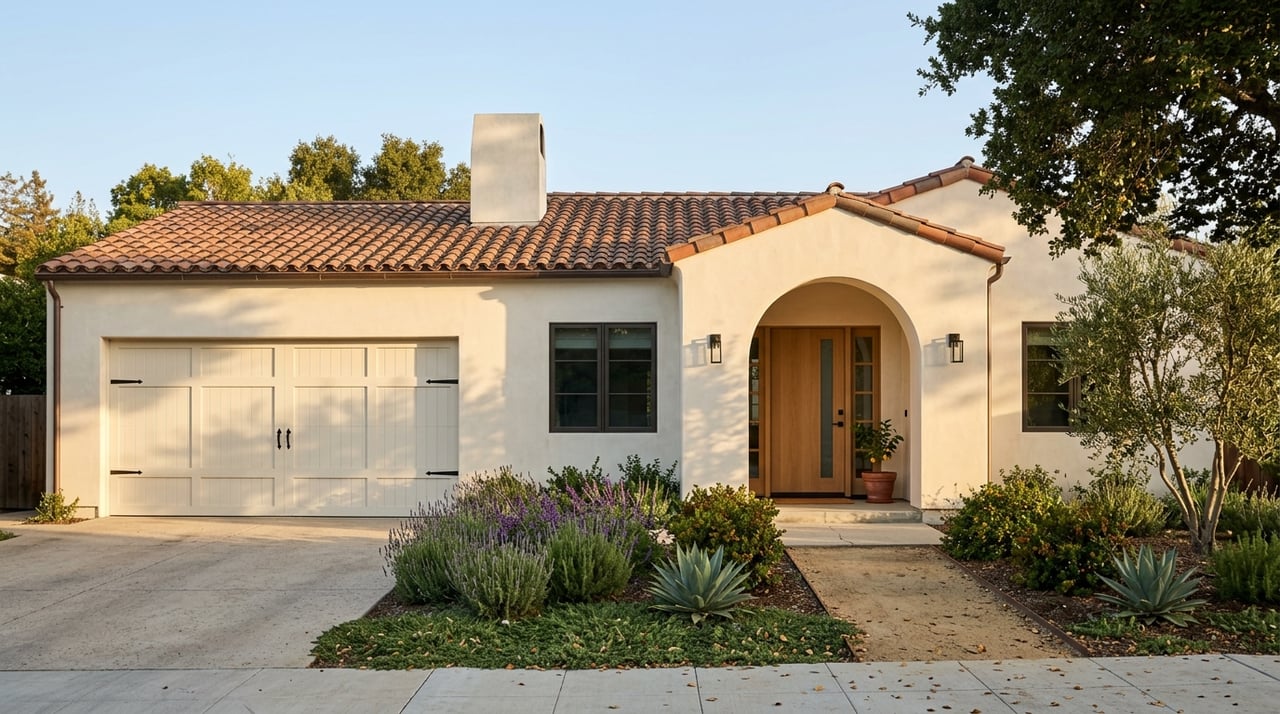
If you want a Silicon Valley home base that feels calm, scenic, and close to everyday leisure, Saratoga stands out quickly. It is a residential community of about 31,000 where the city says residents value a semi-rural ambiance and unique character, yet regional access still connects you to the broader South Bay. For many buyers, that means you can enjoy a more tucked-away setting without feeling cut off from daily life. Let’s take a closer look at what everyday life near Saratoga’s wineries and trails can really feel like.
Saratoga Lifestyle at a Glance
Saratoga is best understood as a residential, preservation-minded community with a quieter rhythm than denser parts of Silicon Valley. The city highlights its small-town atmosphere, natural beauty, and historic character, and that shows up in how the area feels day to day.
You are not moving to Saratoga for an urban pace. You are choosing a place where parks, gardens, trails, and local gathering spots help shape your routine. That can be a strong fit if you want more breathing room, more scenery, and a setting that feels more retreat-like.
Wineries Are Part of Local Life
One of Saratoga’s more distinctive lifestyle perks is how close wine destinations are to daily routines. Instead of treating wine tasting like a special trip, you may find that a tasting room visit or a relaxed afternoon nearby becomes part of how you spend a normal weekend.
The local wine scene is also tied to Saratoga’s history and foothill setting. That gives the experience more depth than a simple cluster of businesses.
Nearby Tasting Rooms and Wine Destinations
Sources from the Santa Clara Valley wine community point to several wine-related destinations in and around Saratoga. Cinnabar has a downtown Saratoga tasting room, and Cooper-Garrod is located above the village on a 120-acre ranch with estate wines and valley views. Cottage Creek is also placed on the west side of the valley along the Santa Clara Wine Trail.
The broader Saratoga wine setting includes historic names as well. Santa Clara County identifies The Mountain Winery as being on the former Paul Masson winery property, and the venue notes that Paul Masson founded it in 1901. Savannah-Chanelle also has a Saratoga address on Congress Springs Road.
What That Means for Your Routine
For you as a buyer, this adds a leisure option that feels unusually local. A casual tasting, a scenic drive toward the foothills, or meeting friends near the village can be part of your normal rhythm instead of a once-in-a-while plan.
That does not mean every home is walkable to wineries. It means the wine culture is woven into the area and easy to enjoy from many parts of Saratoga.
Trails, Parks, and Gardens Shape Free Time
Saratoga is not only about wine. If you enjoy outdoor time, the city and surrounding foothills offer a mix of trails, parkland, and gardens that can make daily life feel more grounded and restorative.
This is one of the clearest lifestyle advantages for buyers comparing Saratoga with more built-up neighborhoods nearby. Leisure here can be simple and close to home.
Montalvo Arts Center Adds Culture and Open Space
Montalvo Arts Center is one of Saratoga’s standout destinations. It describes its property as a 175-acre foothill site with a historic villa, artist residences, gardens, and hiking trails, and it is open daily from 8 a.m. to sunset with free public access to the grounds.
For residents, Montalvo offers a blend that is hard to find in a typical suburban setting. You get open space, walking opportunities, and a cultural landmark in one place.
Hakone Adds Historic Garden Access
Hakone Estate and Gardens gives Saratoga another unique layer. It describes itself as one of the oldest residential-style Japanese gardens open to the public in the Western Hemisphere, first established in 1915 as a private summer retreat on 18 acres.
That kind of nearby setting can shape how an area feels even if you do not visit every week. It reinforces Saratoga’s identity as scenic, historic, and tied to a slower, more intentional pace.
Sanborn Gives You a True Foothill Escape
If you want a more forested outdoor option, Sanborn County Park is the major nearby trailhead-style amenity. Santa Clara County says the park covers 3,453 acres, sits between Saratoga and Skyline Boulevard, and includes more than 22 miles of trails among redwoods and tanbark oaks.
Day use is open from 8 a.m. to sunset year-round. In practical terms, that gives you a large and accessible option for hiking, picnicking, and regular outdoor time without needing a long getaway.
Saratoga Village Anchors Daily Convenience
For everyday errands and casual outings, Historic Saratoga Village is the clearest convenience hub. The city describes it as the heart of Saratoga and says it offers dining, shops, galleries, coffee houses, parks, and trails.
This matters because Saratoga’s overall feel is spread out and residential. The Village gives you a focal point for local activity and a more walkable experience than you will find in many foothill residential pockets.
Walkability Varies by Area
If you are thinking about walkability, it helps to have realistic expectations. Walkability is strongest around Saratoga Village and some cultural destinations, while homes in the foothills tend to be more spread out and more car-oriented.
That is not a drawback for every buyer. For many people, it is part of the appeal. You may be trading all-in walkability for privacy, scenery, and a calmer residential setting.
Community Resources Support Daily Life
The Saratoga Library is another useful everyday anchor. As part of the Santa Clara County Library District, it is a 48,500-square-foot facility with local history collections and non-English language materials.
For buyers who value nearby civic resources, that adds another sign of a well-supported community. It also fits Saratoga’s identity as established, thoughtful, and rooted in local character.
Homes Reflect Saratoga’s History
Saratoga’s housing stock does not follow a single tract-home pattern. The city’s history and heritage materials show a long transition from orchards and vineyards to a residential community, and you can still see that layered evolution in the homes themselves.
That variety is important if you are searching here. Saratoga is a market where setting, lot feel, architectural style, and proximity to village or foothill amenities can all shape the experience of daily life.
Expect a Mix of Home Styles
According to the city’s Heritage Resource Inventory, Saratoga includes early-American farmhouses, Victorian-era residences, Craftsman cottages, Eclectic Revival designs, Ranch-style houses, and stripped-down Modern forms. Most residences are described as conventional wood-frame construction.
For you, that means home searches here can feel more nuanced than in neighborhoods built in a single era. You may see historic charm, mid-century comfort, and custom hillside design all within the same broader market.
The Setting Often Matters as Much as the House
In Saratoga, lifestyle is often tied to where a home sits within the community. A property near the Village may offer easier access to dining, coffee, and local outings, while a foothill property may lean more toward privacy, land, and a stronger retreat feel.
The city’s mission also emphasizes preserving hillside beauty and maintaining a small-town residential atmosphere. That preservation-minded approach helps explain why Saratoga often feels distinct from faster-changing parts of the Valley.
Who Saratoga Often Appeals To
Saratoga can be a strong fit if you want a scenic residential base with easy access to leisure close to home. The combination of wineries, trails, parks, gardens, and village amenities creates a lifestyle that often feels calmer and more place-based than in denser Silicon Valley communities.
It may especially appeal to buyers who want:
- A quieter residential setting
- Nearby trails and open space
- Access to tasting rooms and cultural destinations
- A mix of historic, ranch, and custom-home character
- Regional access through SR 85, I-280, and SR 17/SR 9
At the same time, Saratoga is not isolated. Montalvo notes that it is less than 20 minutes from several South Bay cities, and Saratoga’s circulation planning points to strong regional access. That balance is a big part of the draw.
Why Saratoga Feels Different
Many Silicon Valley communities offer convenience. Saratoga adds something a little rarer: a daily environment where natural beauty, historic character, and local leisure are part of the backdrop.
If you are comparing neighborhoods, this is the kind of place where the lifestyle story may matter just as much as the square footage. A morning in the Village, an afternoon at Hakone or Montalvo, or a weekend hike at Sanborn can help define what living here feels like.
If you are exploring Saratoga and want help understanding which pockets best match your lifestyle, timeline, and goals, Naoko Amaya offers a thoughtful, high-touch approach backed by deep Silicon Valley market knowledge.
FAQs
What is everyday life in Saratoga like for homebuyers?
- Saratoga offers a residential, scenic, and preservation-minded setting with a quieter pace, plus access to local parks, trails, gardens, wineries, and the Village for day-to-day convenience.
Are Saratoga wineries part of daily local life?
- Yes. With tasting rooms and wine destinations in and around Saratoga, wine-related leisure can feel like an easy local outing rather than a full day trip.
How walkable is Saratoga for residents?
- Walkability is strongest around Historic Saratoga Village and certain cultural sites, while many foothill residential areas are more spread out and generally more car-oriented.
What outdoor spaces are near Saratoga homes?
- Residents have access to places such as Montalvo Arts Center, Hakone Estate and Gardens, Saratoga’s local parks and trails, and nearby Sanborn County Park with more than 22 miles of trails.
What kinds of homes are common in Saratoga?
- Saratoga includes a mix of home styles and eras, including historic residences, Craftsman cottages, Ranch-style homes, and custom hillside properties rather than one uniform housing pattern.
Is Saratoga connected to the rest of Silicon Valley?
- Yes. The city’s circulation planning identifies access via SR 85, I-280, and SR 17/SR 9, which supports Saratoga’s feel as tucked away but still connected to the broader South Bay.
