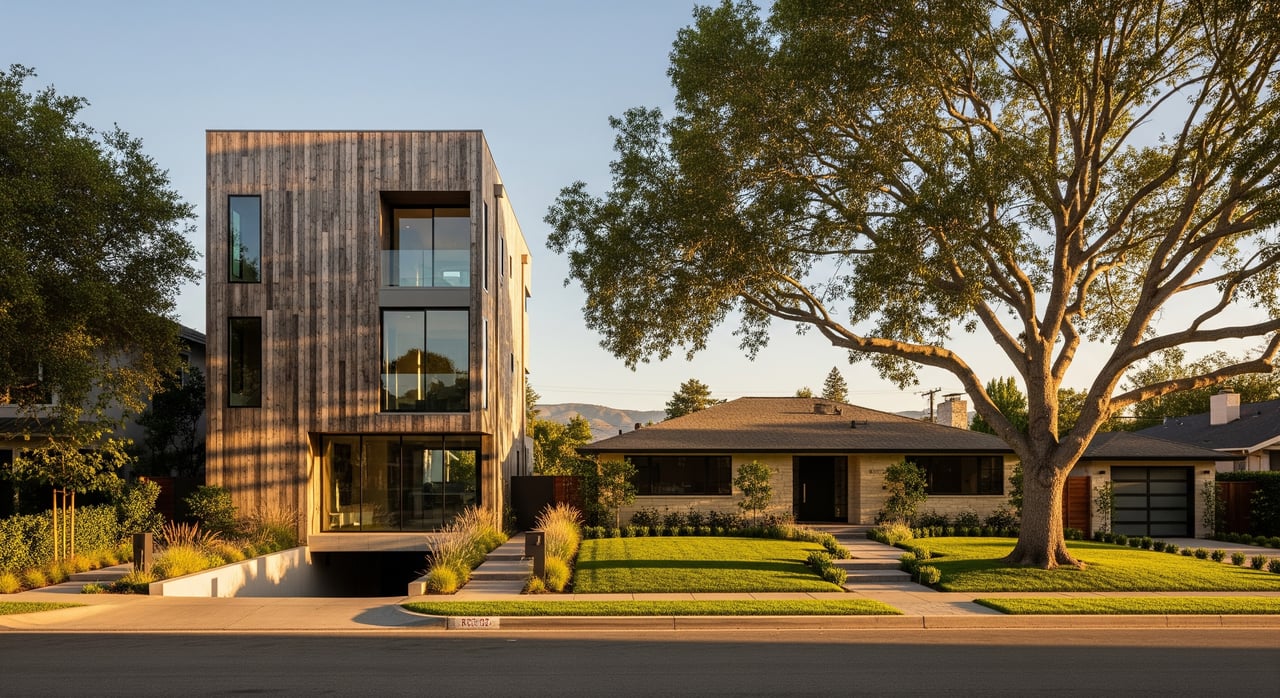
Should you buy a townhome or a single-family home in Cupertino? If you are weighing budget against lifestyle, you are not alone. Many buyers here balance entry price, HOA rules, and outdoor space with commute needs and long-term plans. In this guide, you will learn the key tradeoffs, cost drivers, and resale factors so you can choose with confidence. Let’s dive in.
Cupertino market at a glance
Cupertino is a high-demand Silicon Valley market with limited land and steady employment nearby. The city’s location near major corridors like 85, 280, and 101 keeps demand strong for both townhomes and single-family homes. The reputation of local school districts and proximity to major employers also support ongoing interest.
Single-family homes typically command a premium over townhomes. Townhomes and condos often sell for a meaningful fraction of single-family prices. The gap reflects differences in lot size, privacy, and outdoor space. For the latest median prices and inventory, check recent reports from local MLS providers or regional market trackers before you set expectations.
What your monthly cost looks like
Purchase price and mortgage
Because purchase price drives your mortgage, townhomes generally offer a lower monthly payment and smaller required down payment in dollars. Percentage down payment targets are similar across property types. If you are trying to enter Cupertino at a lower price point, a townhome often makes the path more attainable.
Property taxes in Santa Clara County
California property tax is based on your assessed value at purchase under Prop 13, with annual increases generally capped at up to 2 percent plus local assessments. The total effective rate is higher than the 1 percent base once local levies are included. Since single-family homes usually cost more, expect a higher absolute tax bill compared to a townhome, even if the effective rate is comparable. You can confirm parcel-specific rates through county records during due diligence.
HOA dues and special assessments
Most townhomes belong to homeowners associations that charge monthly dues for exterior insurance, common-area upkeep, landscaping, and sometimes amenities. In Silicon Valley, fees often range from the low hundreds to several hundreds per month depending on the community and its features. HOAs can also levy one-time or periodic special assessments to fund large projects. Always review budgets, reserve studies, and meeting minutes to understand potential future costs.
Utilities and maintenance
Single-family homes typically carry higher utility and maintenance expenses due to larger systems and more exterior responsibilities. A common budgeting rule is to set aside about 1 percent of a home’s value per year for maintenance, adjusting up or down for age and condition. Townhome owners may spend less on exterior upkeep, but interior systems and in-unit repairs remain your responsibility.
Insurance differences
Single-family owners usually carry an HO-3 homeowner policy that covers the structure and contents. Townhome owners often rely on the HOA’s master policy for exterior coverage and carry an HO-6 policy for interiors, personal property, and loss assessment. Because the HOA covers major structural elements, your individual premium may be lower for a townhome, but you should understand master policy limits and deductibles. Given regional seismic risk, evaluate separate earthquake coverage regardless of property type.
Maintenance and control
Responsibilities by property type
With a single-family home, you control and maintain the entire property, including roof, exterior, yard, and driveway. In townhomes, responsibilities are shared. HOAs commonly handle the exterior envelope, roofs, common landscaping, and exterior insurance, while owners cover interiors and, in some cases, limited exterior features like patios or fencing. Always confirm what is covered in the CC&Rs and rules.
HOA governance and documents to review
If you are considering a townhome, request and review the CC&Rs, bylaws, rules and regulations, recent meeting minutes, the current budget, reserve study, and financial statements. Pay attention to rental limits, pet policies, guest parking rules, any pending litigation, reserve funding levels, and the history of special assessments. HOA health can affect both your monthly costs and your ability to finance the purchase.
Special risks to note
Special assessments can add unexpected costs for townhome owners. Shared systems may also raise questions about responsibility, especially where limited common areas are involved. In older communities, deferred maintenance can affect resale values. Clear documentation and a solid reserve study reduce these risks.
Lifestyle tradeoffs in Cupertino
Privacy and noise
Single-family homes provide more separation from neighbors and more control over modifications. This often means a quieter experience. Townhomes have shared walls and closer proximity, which can increase noise transfer. Newer construction may include sound-reducing features, so it helps to tour at different times of day.
Outdoor space and ADU potential
Single-family homes typically offer private yards, larger patios, and space for gardens or play areas. Many lots also have potential for an accessory dwelling unit, subject to state and local rules. Townhomes usually provide smaller patios or balconies and shared outdoor areas. If a future ADU is part of your plan, single-family properties are generally better candidates, but you should check City of Cupertino guidelines before relying on that option.
Parking and storage
Single-family homes often include garages and driveways that accommodate multiple vehicles and provide storage. Townhomes may include attached or underground parking, but guest parking can be limited and subject to HOA rules. If you own multiple cars or need workshop space, this difference matters.
Walkability and location
Townhome communities are often near commercial corridors, transit stops, and services, which can improve day-to-day convenience. Many single-family neighborhoods are quieter and residential, with short drives to shopping and commute routes. Your daily routine should guide which setting works best.
Financing and approval hurdles
Condo and townhome projects sometimes require lender project review, and government-backed loans like FHA or VA may be limited to approved communities. Lenders also assess HOA finances, litigation, reserves, and owner-occupancy ratios. Single-family homes typically avoid these project-level reviews. If you plan to use FHA or VA financing, verify eligibility early to avoid surprises.
Resale considerations in Cupertino
Single-family homes often attract a broad buyer pool, including households seeking yards and long-term ownership. Townhomes appeal to first-time buyers, downsizers, and investors who value a lower entry price or low-maintenance living. In high-demand suburban markets, single-family homes have historically shown strong value retention due to land scarcity. Townhomes can appreciate well in constrained markets, especially in walkable locations, but may be more sensitive to supply within the same development and to HOA concerns.
Features that support resale for both property types include proximity to services and commute routes, thoughtful upgrades, energy efficiency, and good parking. Strong HOA maintenance and reserves help townhome resale prospects. Factors that can drag on resale include deferred maintenance for single-family homes and, for townhomes, HOA litigation, weak reserves, or restrictive policies that reduce buyer interest.
Quick decision guide
Choose a townhome if you:
- Want a lower entry price and potentially lower monthly mortgage.
- Prefer reduced exterior maintenance and do not need a large private yard.
- Value a walkable location and community amenities.
- Are comfortable with HOA rules, dues, and occasional special assessments.
Choose a single-family home if you:
- Prioritize privacy, outdoor space, and control over improvements.
- Want flexibility for future projects, such as an ADU, subject to local rules.
- Can budget for higher purchase price, property tax, and maintenance.
- Prefer simpler financing without condo project approval.
Due diligence checklist for Cupertino buyers
For townhomes:
- Review CC&Rs, bylaws, rules, meeting minutes, current budget, reserve study, and financials.
- Confirm HOA master insurance type and limits, including deductibles and loss assessment.
- Ask about past and planned special assessments and major upcoming repairs.
- Verify rental, pet, and parking policies and any ongoing litigation.
For single-family homes:
- Inspect roof, plumbing, HVAC, electrical, windows, foundation, and drainage.
- Confirm lot lines, easements, and any zoning constraints.
- Evaluate feasibility and process for any planned ADU or expansion with the city.
- Review recent comparable sales to set offer strategy.
For both:
- Order a general home inspection and a pest inspection.
- Get full loan pre-approval and discuss any condo project requirements with your lender.
- Assess earthquake insurance options.
- Confirm property tax estimates based on likely purchase price and local levies.
Ready to compare specific homes side by side? You can align property features, HOA health, and financing options with your long-term plans to make a confident choice. If you want a tailored analysis of townhomes and single-family homes in your target Cupertino neighborhoods, reach out to Naoko Amaya for local guidance.
FAQs
What costs differ most between Cupertino townhomes and single-family homes?
- Purchase price and HOA dues are usually the biggest differences, followed by insurance structure and exterior maintenance responsibilities.
How do HOAs affect townhome ownership in Cupertino?
- HOAs set rules, collect dues for exterior maintenance and insurance, and can levy special assessments, so reviewing financials and policies is essential before you buy.
What should I check before using FHA or VA financing on a Cupertino townhome?
- Confirm the project’s eligibility with your lender early, and have them review HOA reserves, litigation, and owner-occupancy to avoid delays.
Does a single-family home in Cupertino make adding an ADU easier?
- Single-family lots are typically better candidates for ADUs, but you should verify Cupertino’s current rules and permitting process before relying on that plan.
How do resale prospects compare for Cupertino townhomes vs single-family homes?
- Single-family homes often benefit from land scarcity and broad demand, while townhome resale depends more on location, HOA health, and community policies.
